INTRODUCTION:
The importance of sports and games is being increasingly recognised in India, from both the educational and social points of view. More and more funds are being allocated for encouraging sports in schools, colleges and universities; in fact, sports have become an essential part of the curricula.
Time was when only a few students, who were fond of games like hockey, football, cricket or tennis, were allowed special facilities. But now regular programmes are drawn up in all educational institutions to persuade as many students as possible, regardless of special aptitudes, to participate in games, and not merely watch matches occasionally to cheer up their favourite teams or attend the prize distribution functions at the end of a sports season.
OUTDOOR GAMES
CRICKET:
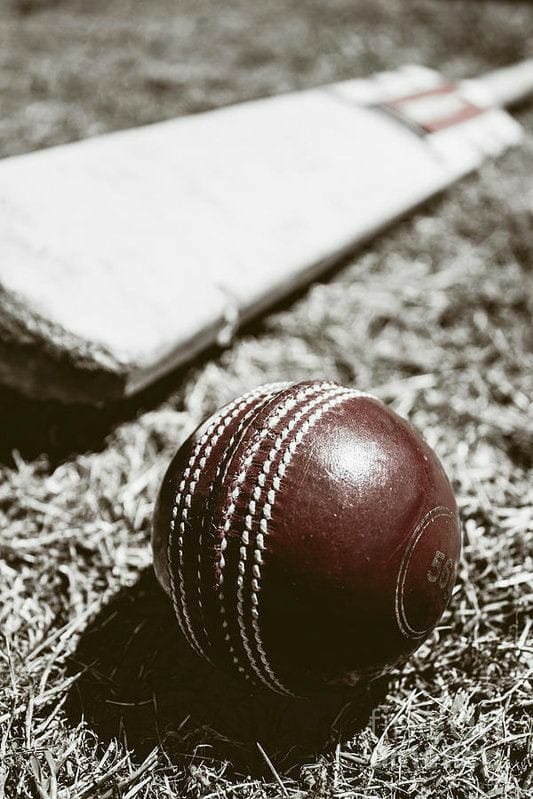
Cricket is a bat-and-ball game played between two teams of eleven players on a field at the centre of which is a 20-metre (22-yard) pitch with a wicket at each end, each comprising two bails balanced on three stumps. The batting side scores runs by striking the ball bowled at the wicket with the bat, while the bowling and fielding side tries to prevent this and dismiss each player (so they are “out”). Means of dismissal include being bowled, when the ball hits the stumps and dislodges the bails, and by the fielding side catching the ball after it is hit by the bat, but before it hits the ground. When ten players have been dismissed, the innings ends and the teams swap roles. The game is adjudicated by two umpires, aided by a third umpire and match referee in international matches. They communicate with two off-field scorers who record the match’s statistical information.
BASKET BALL:

Basketball is a team sport in which two teams, most commonly of five players each, opposing one another on a rectangular court, compete with the primary objective of shooting a basketball (approximately 9.4 inches (24 cm) in diameter) through the defender’s hoop (a basket 18 inches (46 cm) in diameter mounted 10 feet (3.048 m) high to a backboard at each end of the court) while preventing the opposing team from shooting through their own hoop.
HOCKEY:
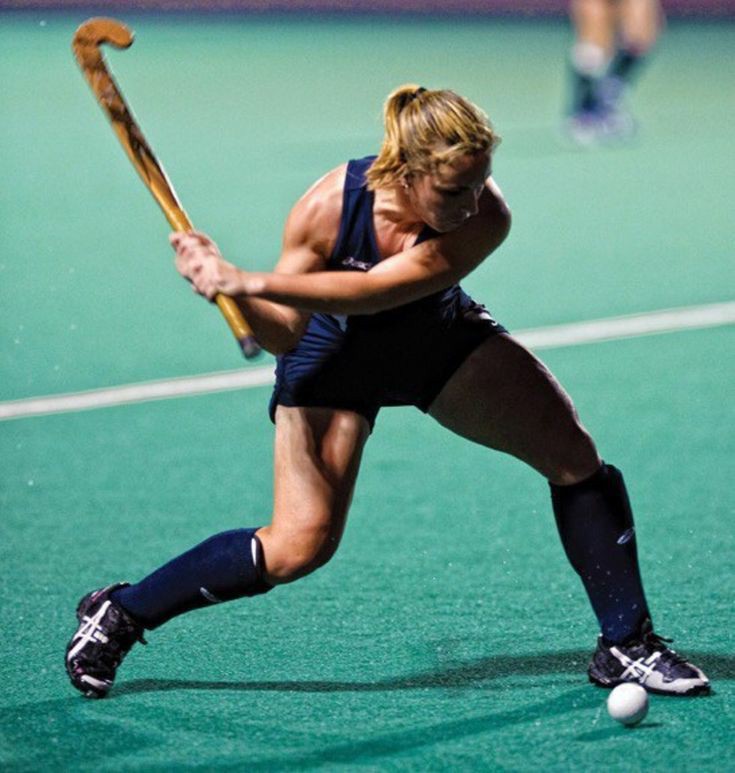
Hockey is a sport in which two teams play against each other by trying to manoeuvre a ball or a puck into the opponent’s goal using a hockey stick. There are many types of hockey such as bandy, field hockey, ice hockey and rink hockey.
In most of the world, the term hockey by itself refers to field hockey, while in Canada, the United States, Finland, Sweden, Latvia, the Czech Republic and Slovakia, the term usually refers to ice hockey.[1]
KABADDI:
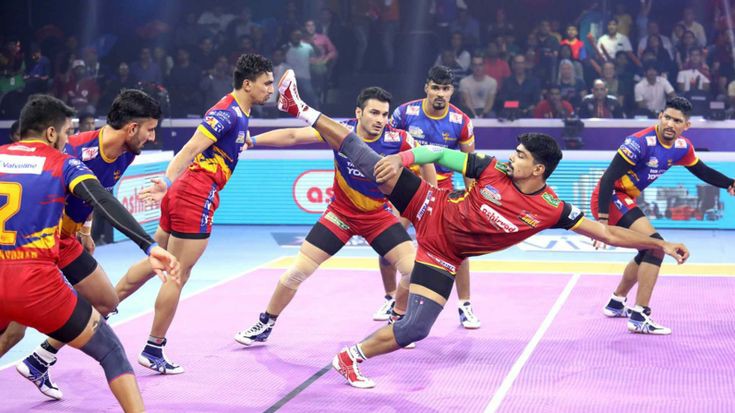
Kabaddi, a contact sport that originated in ancient India, is one of the most popular sports in India, played mainly among people in villages. India has taken part in four Asian Games in kabaddi, and won gold in all of them. Four forms of kabaddi played in India are Amar, Suranjeevi, huttuttoo, and Gaminee. Amar is generally played in Punjab, Haryana, the United States, Canada, and other parts of the world, mostly by Punjabi sportsmen. Suranjeevi is the most played form of kabaddi in India and the world. This is the form used in international matches generally and played in Asian Games. Huttuttoo was played by men in Maharashtra State.
FOOT BALL:

Football is a family of team sports that involve, to varying degrees, kicking a ball to score a goal. Unqualified, the word football normally means the form of football that is the most popular where the word is used. Sports commonly called football include association football (known as soccer in some countries); gridiron football (specifically American football or Canadian football); Australian rules football; rugby football (either rugby league or rugby union); and Gaelic football.[1][2] These various forms of football are known as football codes.
There are a number of references to traditional, ancient, or prehistoric ball games played in many different parts of the world.[3][4][5] Contemporary codes of football can be traced back to the codification of these games at English public schools during the 19th century.[6][7] The expansion of the British Empire allowed these rules of football to spread to areas of British influence outside the directly controlled Empire.[8] By the end of the 19th century, distinct regional codes were already developing: Gaelic football, for example, deliberately incorporated the rules of local traditional football games in order to maintain their heritage.[9] In 1888, The Football League was founded in England, becoming the first of many professional football competitions. During the 20th century, several of the various kinds of football grew to become some of the most popular team sports in the world.[10]
SWIMMING:
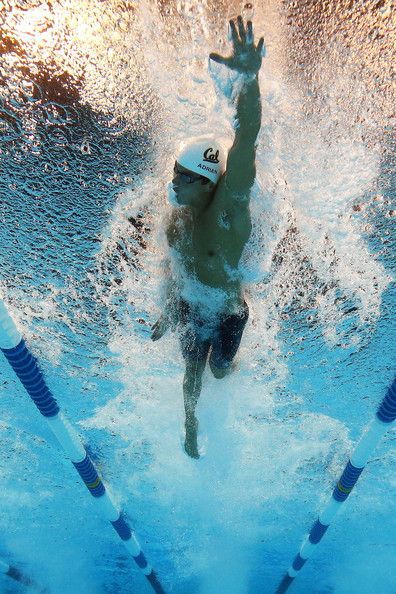
Swimming is the self-propulsion of a person through water, usually for recreation, sport, exercise, or survival. Locomotion is achieved through coordinated movement of the limbs, the body, or both. Humans can hold their breath underwater and undertake rudimentary locomotive swimming within weeks of birth, as a survival response.[1]
Swimming is consistently among the top public recreational activities,[2][3][4][5] and in some countries, swimming lessons are a compulsory part of the educational curriculum.[6] As a formalized sport, swimming features in a range of local, national, and international competitions, including every modern Summer Olympics.
INDOOR GAMES
CHESS:
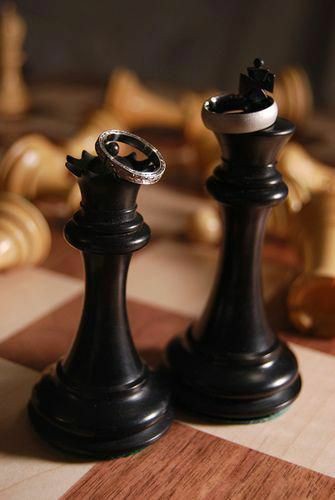
Chess is a two-player strategy board game played on a checkered board with 64 squares arranged in an 8×8 grid.[1] The game is played by millions of people worldwide. Chess is believed to be derived from the Indian game chaturanga sometime before the 7th century. Chaturanga is also the likely ancestor of the Eastern strategy games xiangqi (Chinese chess), janggi (Korean chess), and shogi (Japanese chess). Chess reached Europe by the 9th century, due to the Umayyad conquest of Hispania. The pieces assumed their current powers in Spain in the late 15th century; the modern rules were standardized in the 19th century.
Play involves no hidden information. Each player begins with 16 pieces: one king, one queen, two rooks, two knights, two bishops, and eight pawns. Each piece type moves differently, with the most powerful being the queen and the least powerful the pawn. The objective is to checkmate[note 1] the opponent’s king by placing it under an inescapable threat of capture. To this end, a player’s pieces are used to attack and capture the opponent’s pieces, while supporting each other. During the game, play typically involves exchanging pieces for the opponent’s similar pieces, and finding and engineering opportunities to trade advantageously or to get a better position. In addition to checkmate, a player wins the game if the opponent resigns, or (in a timed game) runs out of time. There are also several ways that a game can end in a draw.
CARROM BOARD:
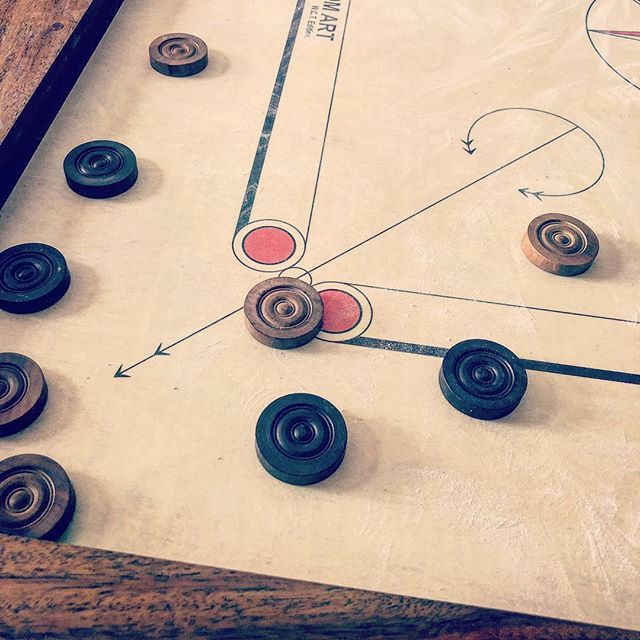
Carrom (also spelled carom) is a cue sport-based tabletop game of Indian origin. The game is very popular in India, Bangladesh, Afghanistan, Nepal, Pakistan, Sri Lanka, Arabian countries and surrounding areas, and is known by various names in different languages. In South Asia, many clubs and cafés hold regular tournaments. Carrom is very commonly played by families, including children, and at social functions. Different standards and rules exist in different areas
TABLE TENNIS:
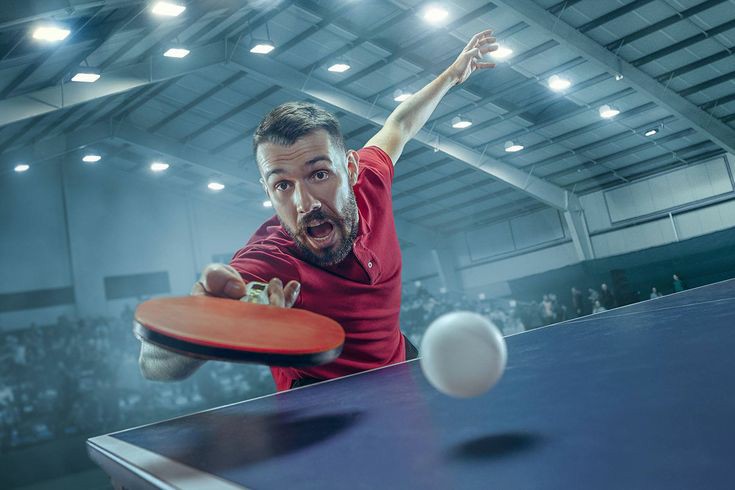
Table tennis, also known as ping-pong, is a sport in which two or four players hit a lightweight ball back and forth across a table using small rackets. The game takes place on a hard table divided by a net. Except for the initial serve, the rules are generally as follows: players must allow a ball played toward them to bounce one time on their side of the table, and must return it so that it bounces on the opposite side at least once. A point is scored when a player fails to return the ball within the rules. Play is fast and demands quick reactions. Spinning the ball alters its trajectory and limits an opponent’s options, giving the hitter a great advantage.
Table tennis is governed by the worldwide organization International Table Tennis Federation (ITTF), founded in 1926. ITTF currently includes 226 member associations.[3] The table tennis official rules are specified in the ITTF handbook.[4] Table tennis has been an Olympic sport since 1988,[5] with several event categories. From 1988 until 2004, these were men’s singles, women’s singles, men’s doubles and women’s doubles. Since 2008, a team event has been played instead of the doubles.
SNOOKER:
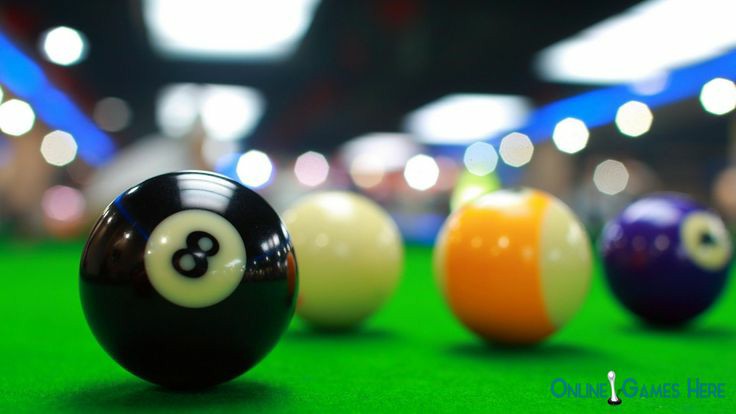
Snooker (pronounced UK: /ˈsnuːkər/, US: /ˈsnʊkər/)[2][3] is a cue sport that originated among British Army officers stationed in India in the second half of the 19th century. It is played on a rectangular table covered with a green cloth (or “baize“), with pockets at each of the four corners and in the middle of each long side. Using a cue stick and 21 coloured balls, players must strike the white ball (or “cue ball”) to pot or pocket the remaining balls in the correct sequence, accumulating points for each pot. An individual game (or frame), is won by the player scoring the most points. A match is won when a player wins a predetermined number of frames.
Snooker gained its identity in 1884 when army officer Sir Neville Chamberlain, stationed in Ooty, Tamil Nadu, devised a set of rules that combined pyramid and black pool. The word snooker was a long-used military term for inexperienced or first-year personnel. The game grew in popularity in the United Kingdom, and the Billiards Association and Control Club was formed in 1919. It is now governed by the World Professional Billiards and Snooker Association (WPBSA).
ADVANTAGES OF SPORTS:
Playing sports offers many personal, social and health advantages, including the development of esteem and team skills, better overall fitness and increased relationship opportunities. One of the most certain benefits of regular participation is better strength, endurance or overall fitness.
The University of Missouri Health System notes that playing sports improves bone health and reduces risks of breast cancer. Some sports, like soccer, offer a high amount of aerobic exercise. For young people, playing sports also reduces the amount of idle time that could get teens into trouble. Sports is an escape from peer pressure and a stress relief for some participants.
Team sports, such as football, basketball and basketball, allow people to build teamwork skills. Team skills are very helpful in many careers and organizations. Companies that use team structures need workers that can communicate, work through challenges and focus on shared goals.
Whether the sport is organized or recreational, participants may build relationships they wouldn’t have otherwise. High school and college athletes often hang out and become good friends with teammates. Some people play recreational sports and develop bonds with coworkers or community members. These relationships provide a social support system and lead to social opportunities that extend beyond games.
GAMING:
THERE ARE MANY ONLINE GAMES WHICH ARE FAMOUS NOWA’DAYS
PUBG
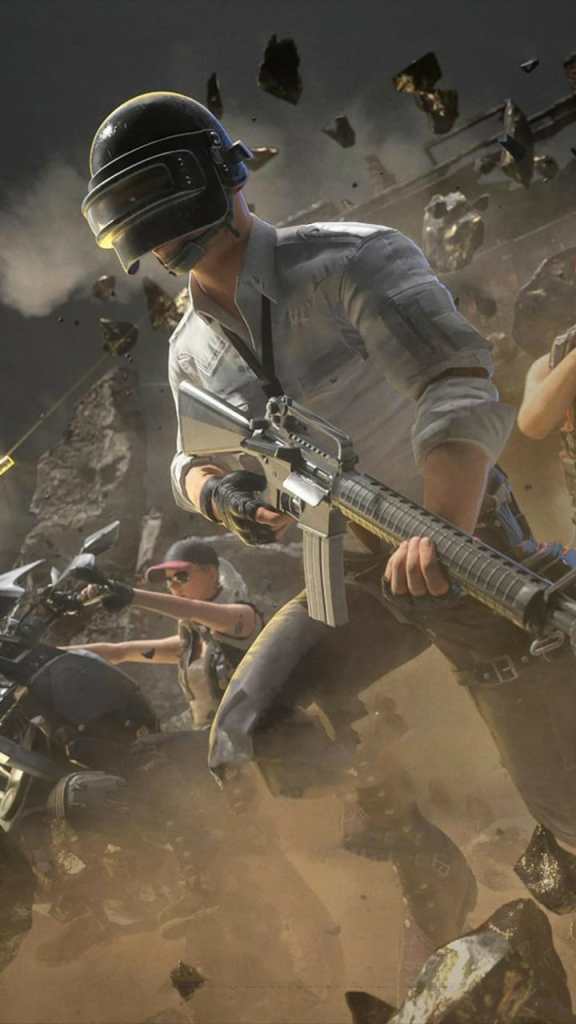
CALL OF DUTY:

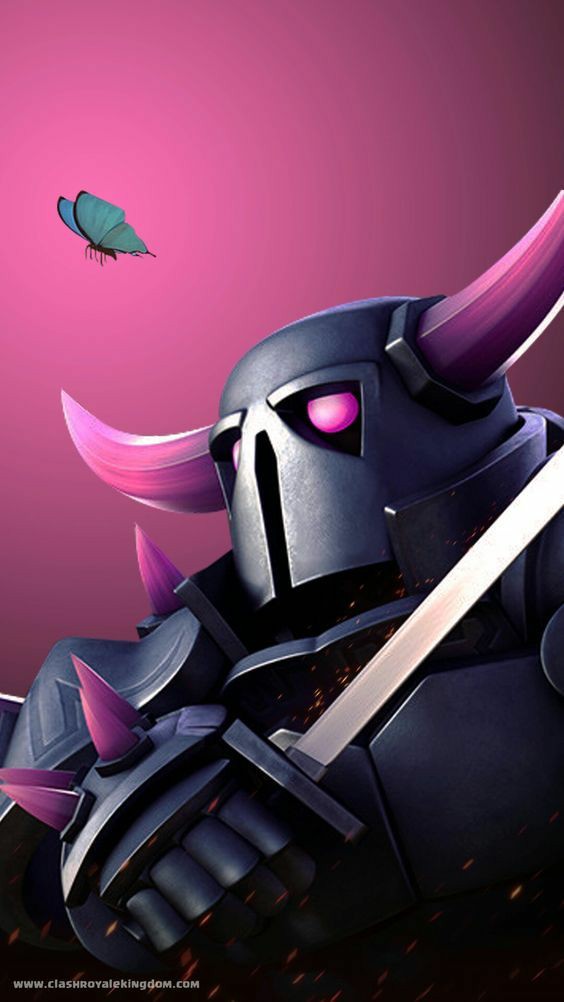
CLASH OF CLANS:
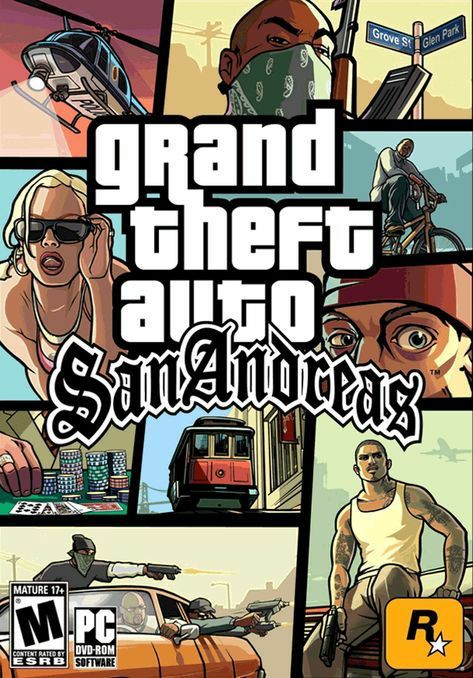
GTA
ADVANTAGES AND DISADVANTAGES OF GAMES:
THE DISADVANTAGE OF PLAYING VIDEO GAME
1. Addiction
Can’t deny, with great technology come great video game idea and gameplay, and even the storytelling of a video game can compete with the Oscar winner film standard.
With such intend entertainment, it brings out the exciting experience to you from your boring life.
That way it can be addictive for you.
When becoming addicted, it going to affect your other life and activities.
It could be a serious issue.
2. Negative effects for you and the social
Violate could be the primary reason many people want to ban it or restrict it.
The difference for the violate from the movies or any other films, in the video game you are participating with it, so sometimes ( not always) it has more impact or influence on your emotion.
Ok, I know some of you might think “if GTA makes you violate, then why Sim city didn’t make you a City planner?” vice versa.
Don’t worry; I am on your side.
Yes, video game somehow affects you but it also comes with a lot of factors to make you violate, cannot put all blame on the video game.
3. Attention problem
Compare to real life; the video game has more potential to create your fantasy, in the video game, you are a hero who tries to save the world.
With the immerse experience, you will feel numbness when dealing with your life(I mean the real life).
And that why you got the attention problem.
The issue not only happens to children it also occurs in the adult.

THE ADVANTAGE OF PLAYING VIDEO GAME
Enough for the disadvantages of playing video game, now is on the good side.
1. Release Stress
Playing video game can reduce your stress.
“In a 2014 study at University College in London, researchers surveyed 491 subjects and found a correlation between the total number of hours spent playing games (primarily first-person shooters and action games) per week, and overall recovery from work-related stress that day.”
You can read the whole article here.
It can be fun if you enjoy, if you enjoy, then you have a good time at that moment then it useful for your emotion.
Overall it all about the relax, put away any real work and stand inside the virtual world and have fun.

2. Improves attention and concentration
It kind of a contradiction with the point that I talk about in the disadvantages of playing video game section.
But it very depends, some game machinic are build to let the player focus on the mission, pay attention to the quest from the video game.
For example, when you play counter strike the classic FPS game, you need to stay alert when competing with other player or else you are going to lose.
It just like playing football, video game, in this case is nothing different.
3. Improves problem-solving skills
Mostly video game is built to be the challenging or solving problem; you need to think about how to finish the quest or task and go to the next level.
In this process, it trains your brain to be more good at solving the puzzle, and it is a handy skill in the society.
PUBLISHED BY SANJAY B.J
Hello my name Sanjay and I am from chitradurga and I completed my inter in vision pu college and now I am pursuing my b-tech in presidency university and my hobby’s r to play cricket, volley ball, dancing,singing and reading novels and because I love playing sports I did this blog which is very useful for a person and we will be fit by playing sports
-
Featured
My First Blog Post
Be yourself; Everyone else is already taken. — Oscar Wilde. This is the first post on my new blog. I’m just getting this new blog going, so stay tuned for more. Subscribe below to get notified when I post new updates.
-
Introduce Yourself (Example Post)
This is an example post, originally published as part of Blogging University. Enroll in one of our ten programs, and start your blog right. You’re going to publish a post today. Don’t worry about how your blog looks. Don’t worry if you haven’t given it a name yet, or you’re feeling overwhelmed. Just click the… Read more
Follow My Blog
Get new content delivered directly to your inbox.
 sports and games